Overview
Regenerative aesthetics focuses on helping your body repair, restore, and rejuvenate
itself using your own natural biologic materials. These treatments are designed to
stimulate collagen production, improve skin quality, support tissue repair, and promote
healthier hair growth while maintaining natural-looking results. At Ivy Wellness &
Aesthetics, every regenerative treatment is customized to your goals and may include
Platelet-Rich Plasma (PRP), PRP Gel, advanced hair restoration, and combination
therapies.
What Platelet-Rich Plasma is
Platelet-Rich Plasma (PRP) is created from a small sample of your own blood that is
processed to concentrate platelets and naturally occurring growth factors. PRP can be
used with microneedling, injected into targeted areas of the face, or applied as part of
hair restoration treatments to encourage collagen production, tissue repair, and skin
rejuvenation.
How it works
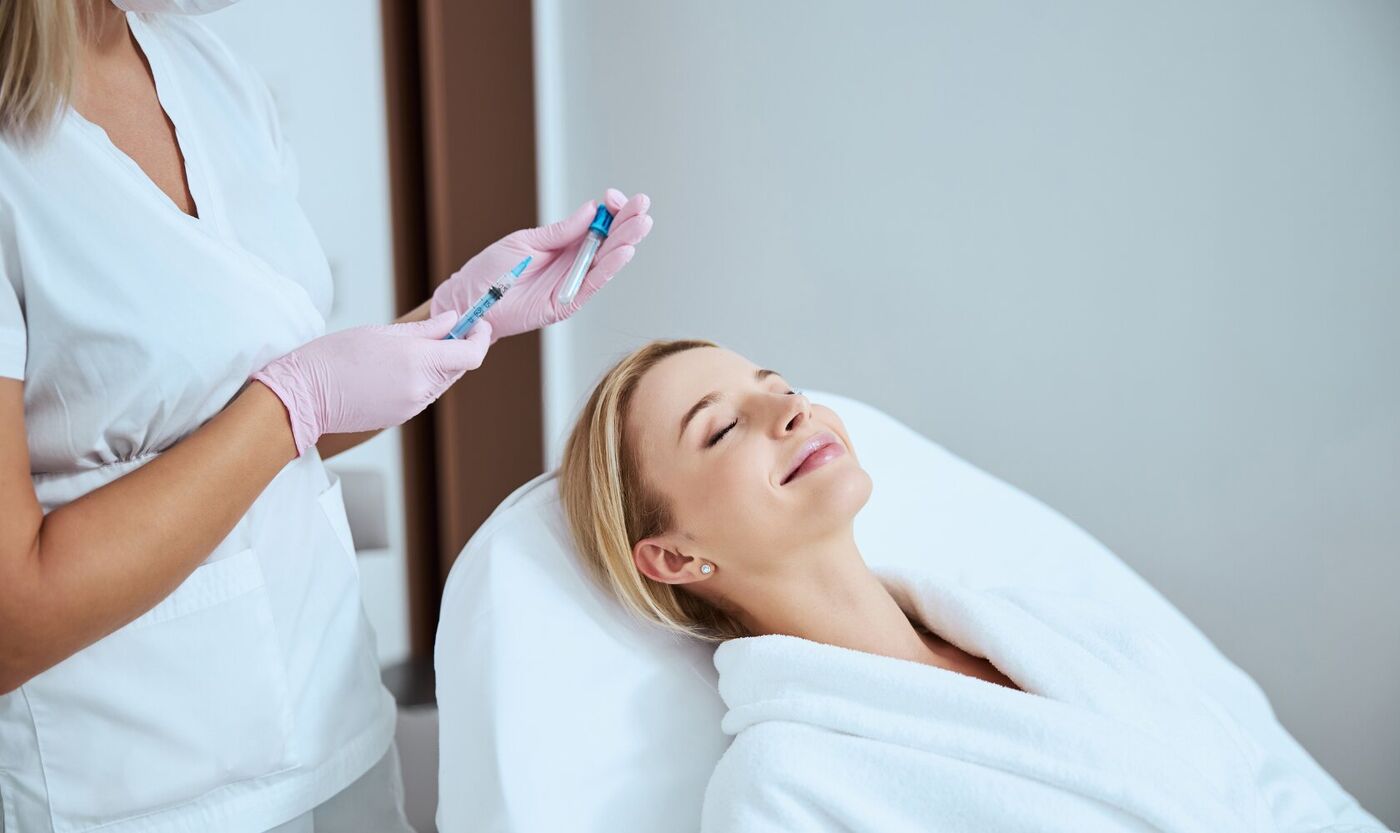
PRP treatment involves drawing a small amount of the patient's blood, which is then
placed in a centrifuge to separate and concentrate the platelets and plasma. This
platelet-rich plasma is then injected or applied to targeted areas of the skin or scalp.
The growth factors in PRP promote the body's natural healing process, stimulating
collagen production and tissue repair in the treated areas.
What to expect
Preparation. The procedure begins with a blood draw, followed by
processing the blood to isolate PRP.
Application. PRP is applied or injected into targeted areas based on
individual goals, such as facial rejuvenation, scar reduction, or hair restoration.
Post-treatment. Mild redness, swelling, or sensitivity may occur for
1–2 days. Most people can resume normal activities immediately, though results may take
a few weeks as collagen production and cell regeneration gradually improve skin or hair
health.
PRP typically requires a series of sessions, often spaced 4–6 weeks apart, to achieve
optimal results, with maintenance treatments recommended for longer-lasting effects.
Benefits
Uses your body's own natural growth factors
Stimulates collagen production
Improves skin texture and elasticity
Minimal downtime
Can be combined with microneedling and other regenerative treatments
The rest of the regenerative menu
PRP is the foundation, not the whole program. Where subtle structural support is also
wanted — under the eyes, for example — liquid PRP can be transformed into
Cellenis® Derma PRP Gel. Where the concern is
thinning hair rather than skin, the same growth factors are delivered to the scalp
through PRP and exosome hair restoration.
Both start from the same blood draw and the same principle.
Why choose Ivy Wellness & Aesthetics
Every regenerative treatment here is physician-directed. Dr. Ivy Lawson is a double
board-certified vascular and interventional radiologist, and treatment plans are built
around what your skin actually needs rather than a fixed package. PRP pairs naturally
with microneedling for texture and tone, with
Sculptra for deeper collagen support, and with
dermal fillers where structure is genuinely
missing. Where filler is already present and needs assessing, the
Ivy Ultrasound Center can image it before anything
further is planned. We see patients from Cooper City, Davie, Weston, Pembroke Pines and
across Broward County, and regenerative treatment plans are covered by
Ivy Wellness memberships.
What a PRP appointment feels like
Discomfort is usually minimal, as topical numbing cream is used before injecting or applying the PRP. Some mild soreness or sensitivity may be felt in the treated area.
Sensitivity differs from person to person and between treatment areas. If discomfort is
a concern for you, raise it at your complimentary consultation — it is a normal thing to
ask and it changes how the appointment is planned.
What PRP costs, and why it varies
Every PRP treatment starts the same way: a small blood draw, then processing on the
Cellenis® Derma PRP system to concentrate your platelets. That laboratory step
happens whether the plasma ends up under a microneedling pen, in a syringe, or converted
to PRP Gel, and it is why PRP is not priced like a facial.
How the PRP is delivered. Microneedling with PRP, targeted
injection and PRP Gel are different procedures with different preparation.
Whether PRP Gel is part of the plan. Converting plasma into gel is
an additional processing step.
How many areas are treated in a visit. Under-eyes alone and full
face are not the same appointment.
How many sessions. Regenerative results build over a series, so the
meaningful figure is the course rather than the single visit.
Your consultation is complimentary, and it is where the course is set: how many
sessions, how they are spaced, and what the whole thing costs before you start. The
Restore membership carries member pricing on PRP, and
Cherry, Affirm and CareCredit can spread a longer regenerative
plan. Nothing here is sold as a fixed package off a menu. You find out the number, then
you decide.
 Ivy Wellness& Aesthetics
Book Now